SERVICE 03 / SPECIALIST

Specialist equipment transport.

Unusual dimensions and sensitive components require a transport brief built around the actual equipment. No generic specification should replace an equipment-specific assessment.

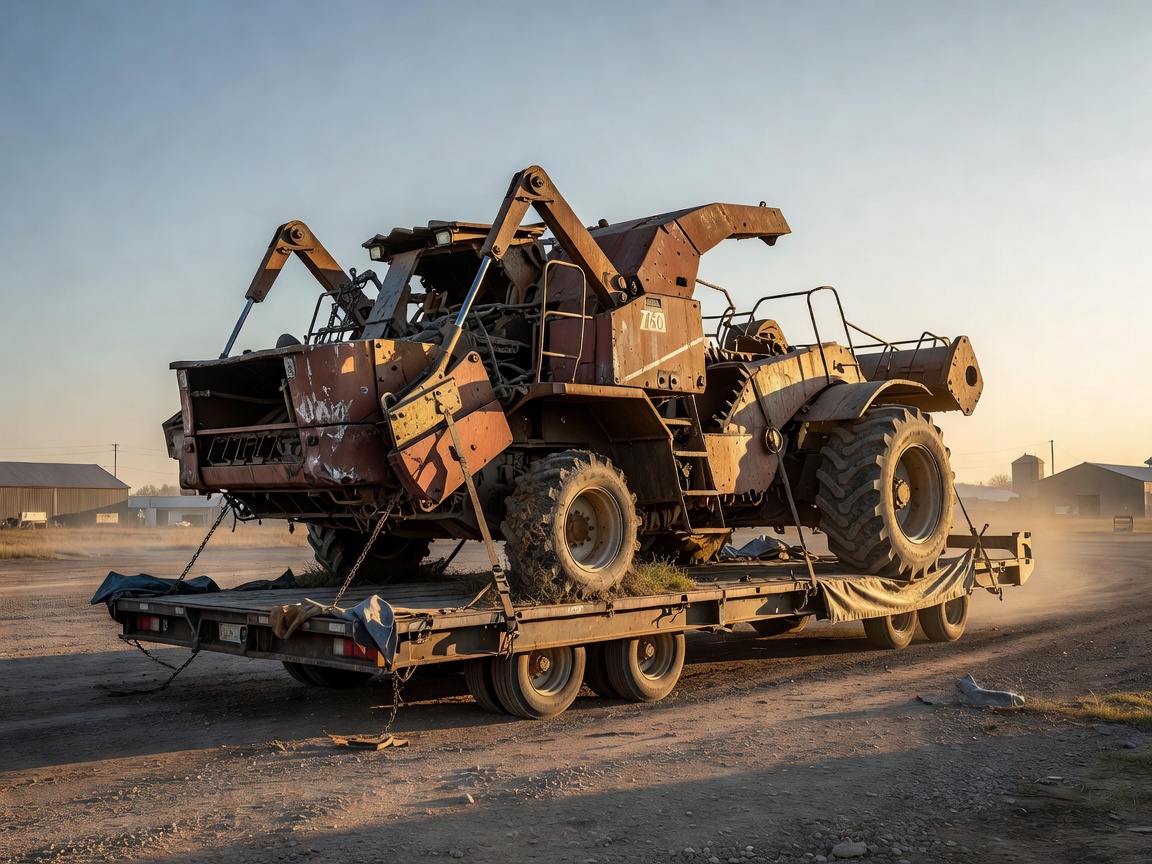
Irregular agricultural machinery requiring specialist transport planning

Shape controls the route.

Oversized or irregular equipment can create constraints at the collection point, on connecting roads and at the delivery site. Record overall dimensions, projections, movable parts, fragile components and any manufacturer or owner handling information.

Actual requirements depend on the equipment and selected transport method. A suitable plan may require specialist handling, additional protection, a different vehicle configuration or a route review by qualified parties.

COMPATIBILITY

Match method to equipment.

Consider deck arrangement, access height, loading area geometry, protection requirements and the equipment’s condition. Do not infer a vehicle’s suitability from appearance or a previous movement. Confirm compatibility through the responsible operator.

Fragile components should be identified early. Their location can affect loading orientation, weather protection and the way the delivery area is prepared.

CONTINGENCY

Keep alternatives visible.

Access may change after rain, maintenance or a new obstruction. A route plan should identify decision points without suggesting unsafe workarounds. If a site is unsuitable, qualified personnel should determine the safe alternative.

Schedule communication should include the equipment owner, collection contact, delivery contact and transport operator. One clear information chain reduces avoidable delay.

Key planning points

Do not improvise lifting systems, exceed rated capacities or modify transport equipment. Specialist work belongs with appropriately qualified personnel.